Quick answer
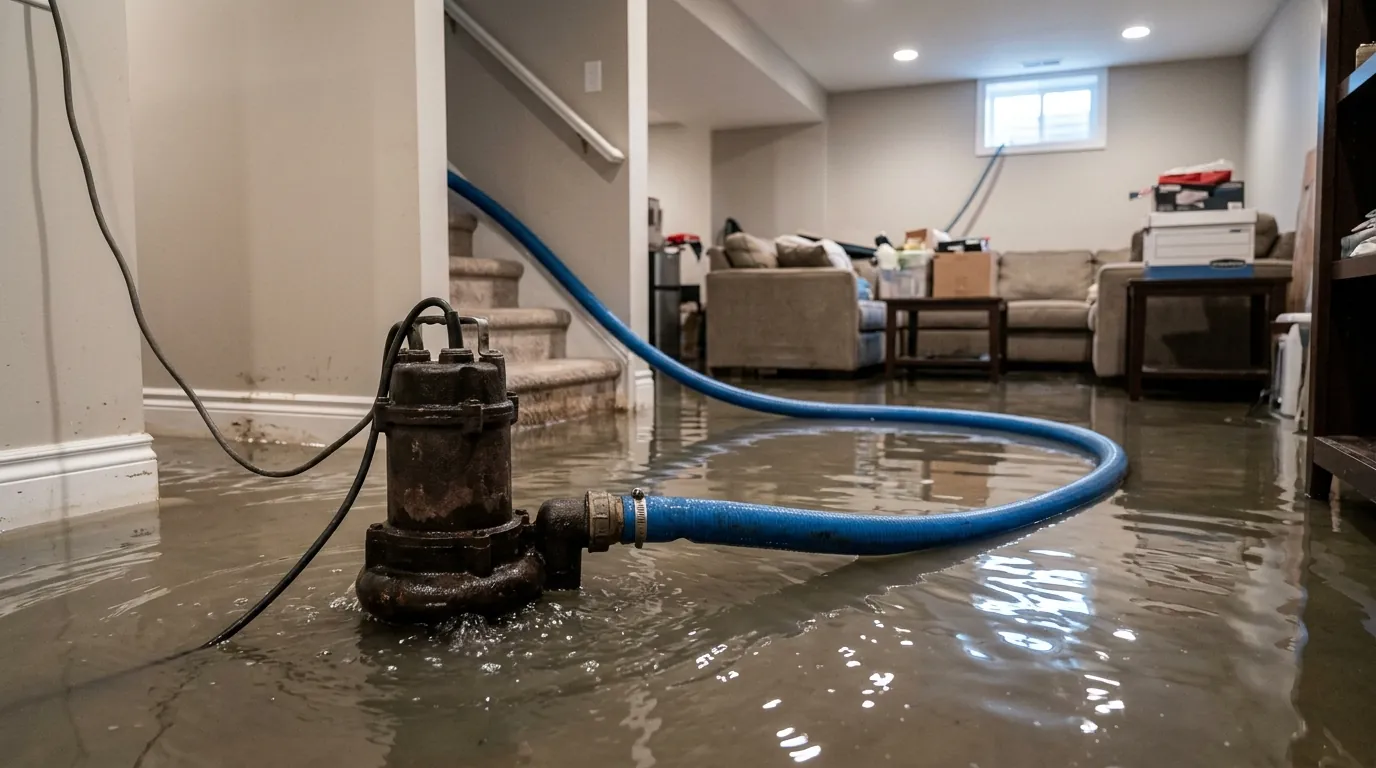
Basement flooding cleanup in Spokane Valley starts with pumping and extracting the water, then removing wet carpet pad, the bottom of finished drywall and soaked insulation, and drying the slab and walls with dehumidifiers. Groundwater and surface water are handled as contaminated, and the cause, whether seepage, a failed sump or a window well, decides what should change before the basement is finished again.
Signs your basement is taking on water
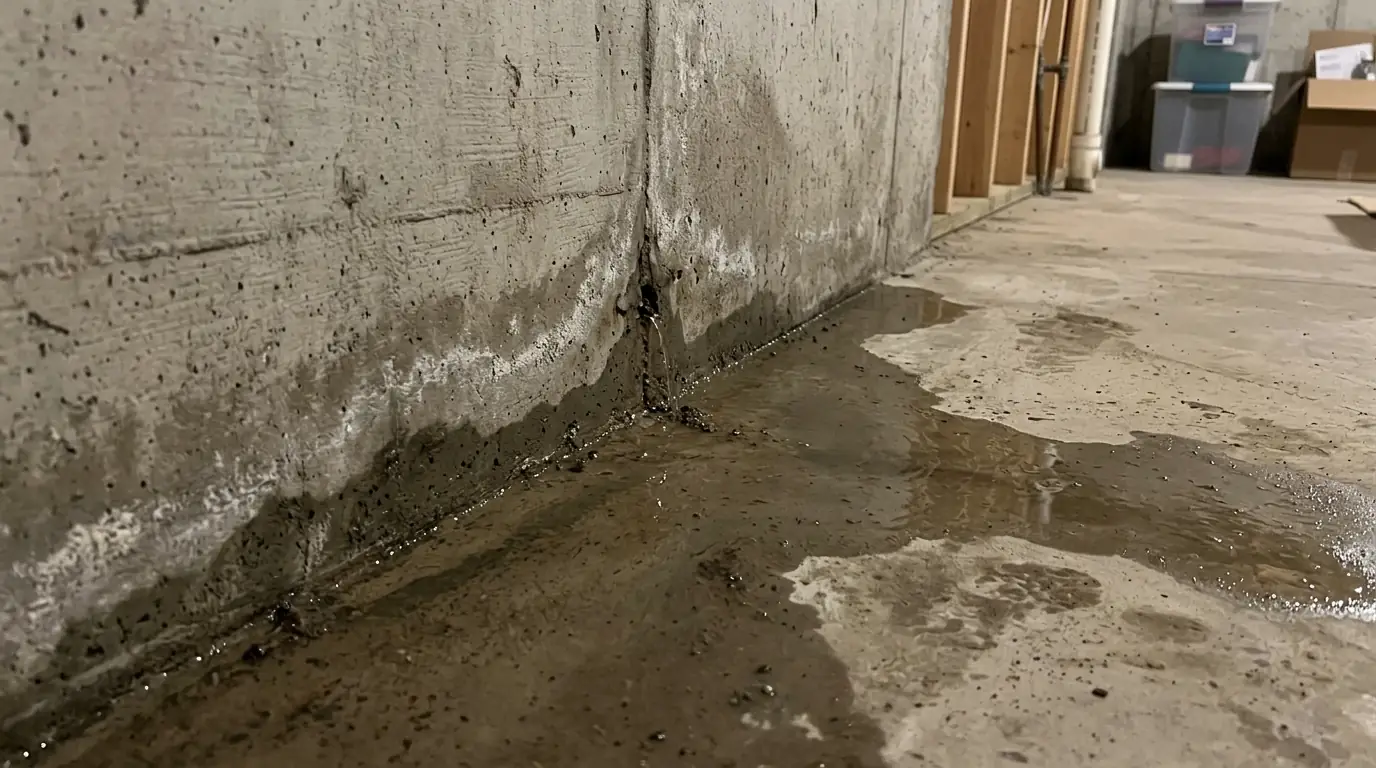
Dark lines at the base of walls
Damp stripes where the wall meets the slab show seepage.
White crust on concrete
Efflorescence is mineral left behind by water moving through.
A musty smell in spring
Odor that comes with the thaw means moisture is getting in.
Damp carpet edges
Carpet that feels cool or damp along the walls.
A sump pump that runs constantly
A pump working nonstop in spring is handling a lot of groundwater.
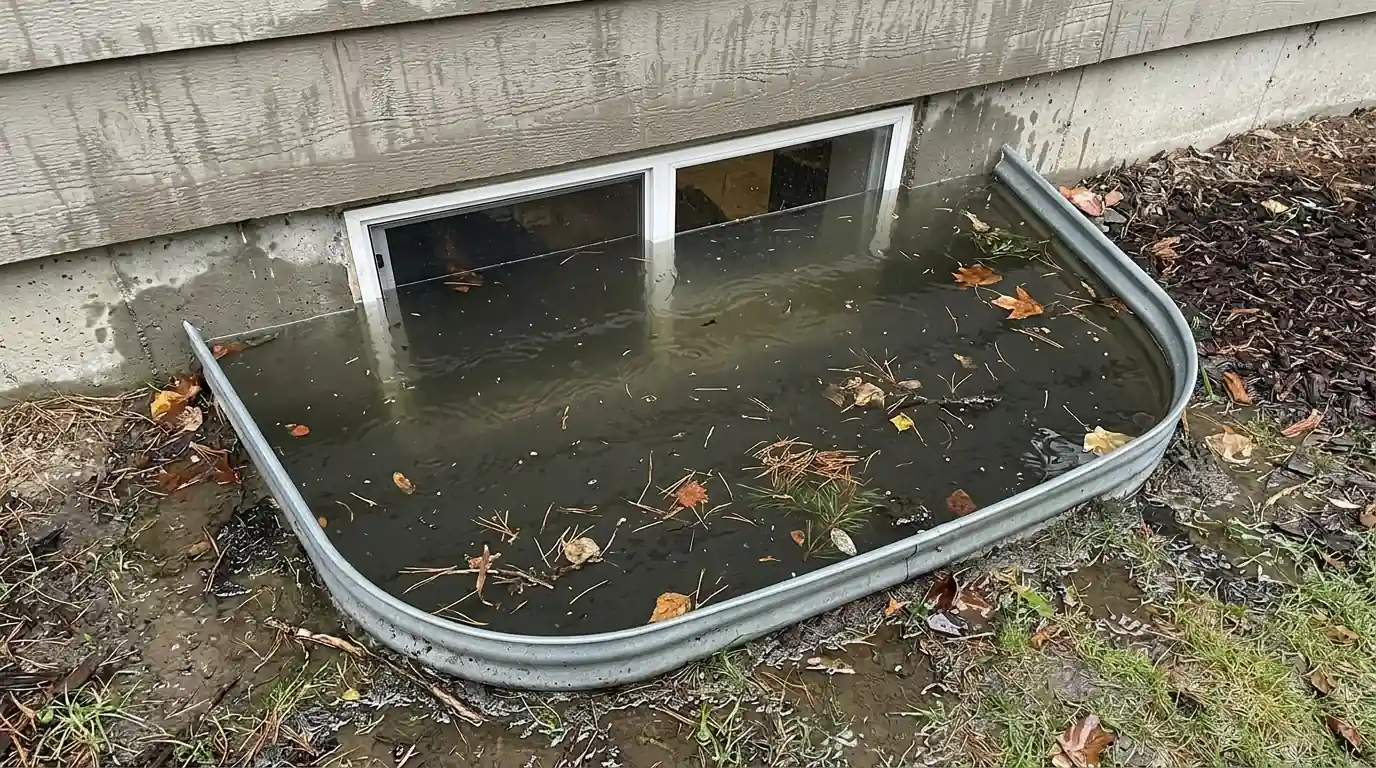
Water in window wells
Standing water in a well after rain means its drain is not working.
Why basements flood in this area
Basements sit below the ground surface, so water reaches them in ways the rest of the house never sees. Spring snowmelt and rain raise groundwater that pushes through the slab and walls. Window wells fill in heavy rain. A sump pump fails exactly when it is needed most.
Water from outside is not clean water. It carries soil and whatever was on the ground, so carpet and pad it soaked are usually removed, and the slab and walls are cleaned before drying.
If the water came from a pipe, a water heater or a sewer line instead, the job changes: see water heater leak cleanup or sewage backup cleanup.
How a basement flood cleanup runs
- 1
Pump and extract
Standing water out with pumps and extraction.
- 2
Remove wet finishes
Carpet, pad, the bottom of drywall and insulation removed.
- 3
Clean
Slab and walls cleaned and treated.
- 4
Dry
Dehumidifiers and air movers with daily readings.
- 5
Advise and rebuild
We note the water entry points, then rebuild once dry.
Snowmelt and groundwater seepage
Seepage shows up as water along the base of foundation walls, through cracks in the slab, or as a slab that stays dark and damp. It tends to come back every spring until the drainage around the house changes.
We remove wet finishes, dry the slab and walls, and point out where the water is coming in so you can decide on grading, gutters or a drainage contractor.
Sump pump failure
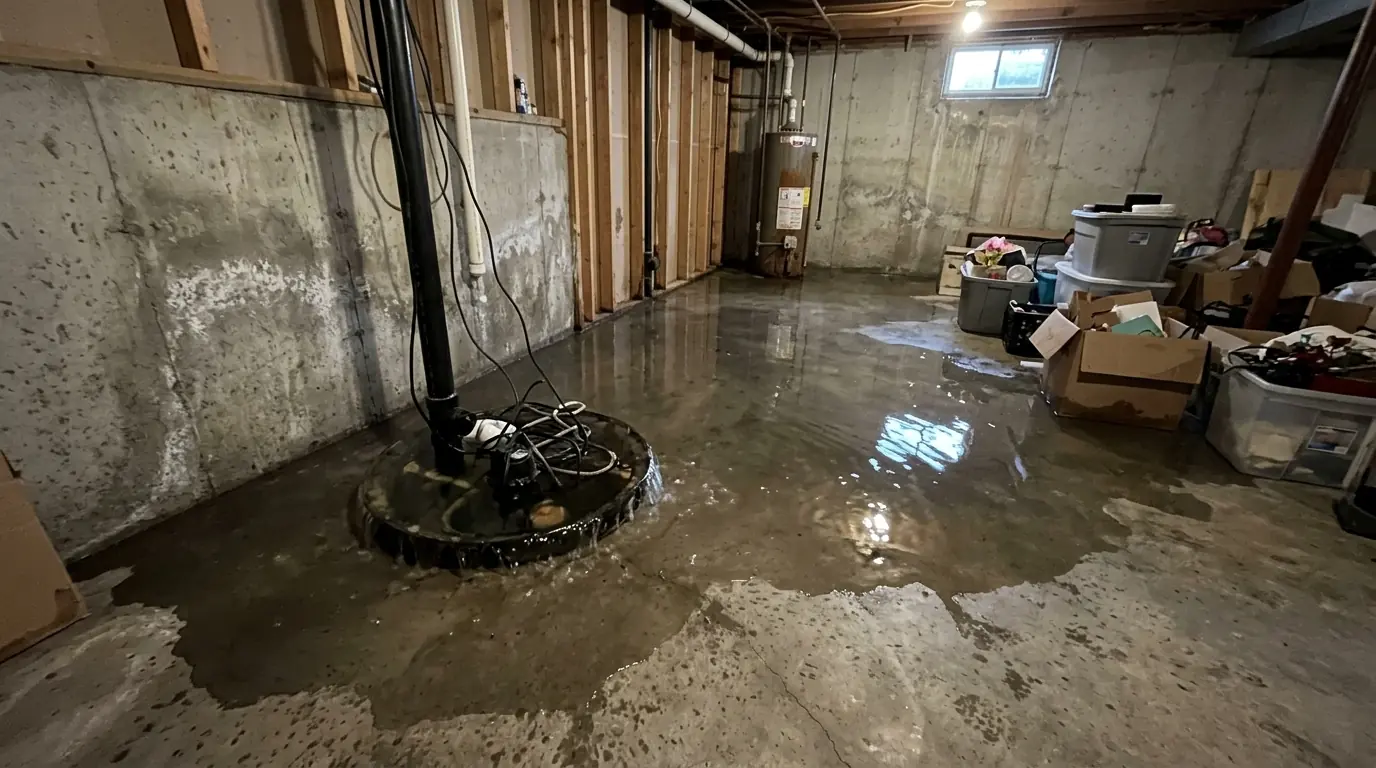
Sump pumps fail from power outages, stuck floats, clogged intakes and old age, usually during a storm or thaw when the pit fills fastest. The basement floods from the pit outward.
We pump out the water and dry the basement; the pump itself is a plumber's repair or replacement, and a battery backup is worth asking about.
Window well flooding
Window wells collect rain and snowmelt, and a well with a clogged drain or no cover can fill until water pours through the window into the basement.
We clean up and dry inside and check the window frame and wall below it for hidden water.
Spring water and basements in the Spokane area
In March 2017 the Spokane River climbed past 27.5 feet for the first time since 2012, and Spokane and Spokane Valley closed it to users. That February, snowmelt runoff from Little Deep Creek poured into a Colbert basement, and Spokane County reported basement and garage flooding from runoff across the area. Most basement floods we see here come from that kind of spring runoff and groundwater, not from the river itself.
Seepage, sump failure or window well: what each means
The source decides what to change before you finish the basement again.
| Source | Typical sign | Long-term fix to consider |
|---|---|---|
| Groundwater seepage | Water at wall bases or through slab cracks | Grading, gutters, drainage contractor |
| Sump pump failure | Water spreading from the pit | New pump, alarm, battery backup |
| Window well flooding | Water through or under a basement window | Clear the well drain, add a cover |
Planning costs for basement flooding cleanup
Groundwater and surface water are usually priced as gray water or worse. These published national ranges are a planning guide.
- Finished or unfinishedFinished basements have carpet, pad and drywall to remove.
- Depth and areaMore water and more square footage mean more pumping and drying.
- Water sourceSewer water costs more to clean up than seepage.
- Stored itemsBoxes and furniture on the floor often need cleaning or replacement.
- RebuildFinished walls and floors are priced once the basement is dry.