Quick answer
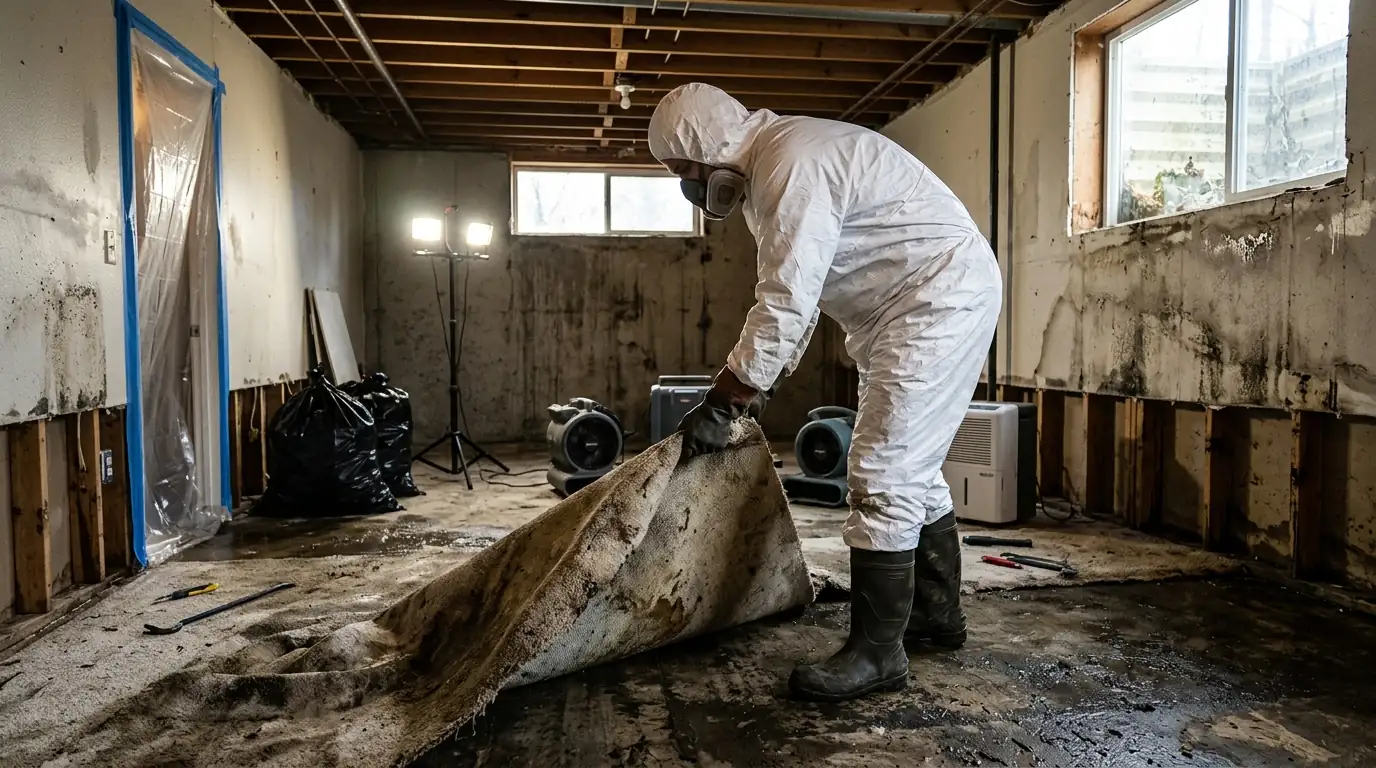
Sewage backup cleanup in Spokane Valley is category 3 black water work: carpet, pad, drywall up to the water line and other porous materials it touched are removed and disposed of, hard surfaces are cleaned and sanitized, and the structure is dried and checked before rebuild. Crews wear protective equipment because sewage carries bacteria and viruses.
Why sewage is handled differently
Water from a sewer line is classed as black water, the most contaminated category. That changes everything about the job: what can be kept, how it is cleaned, how workers are protected and how waste is disposed of.
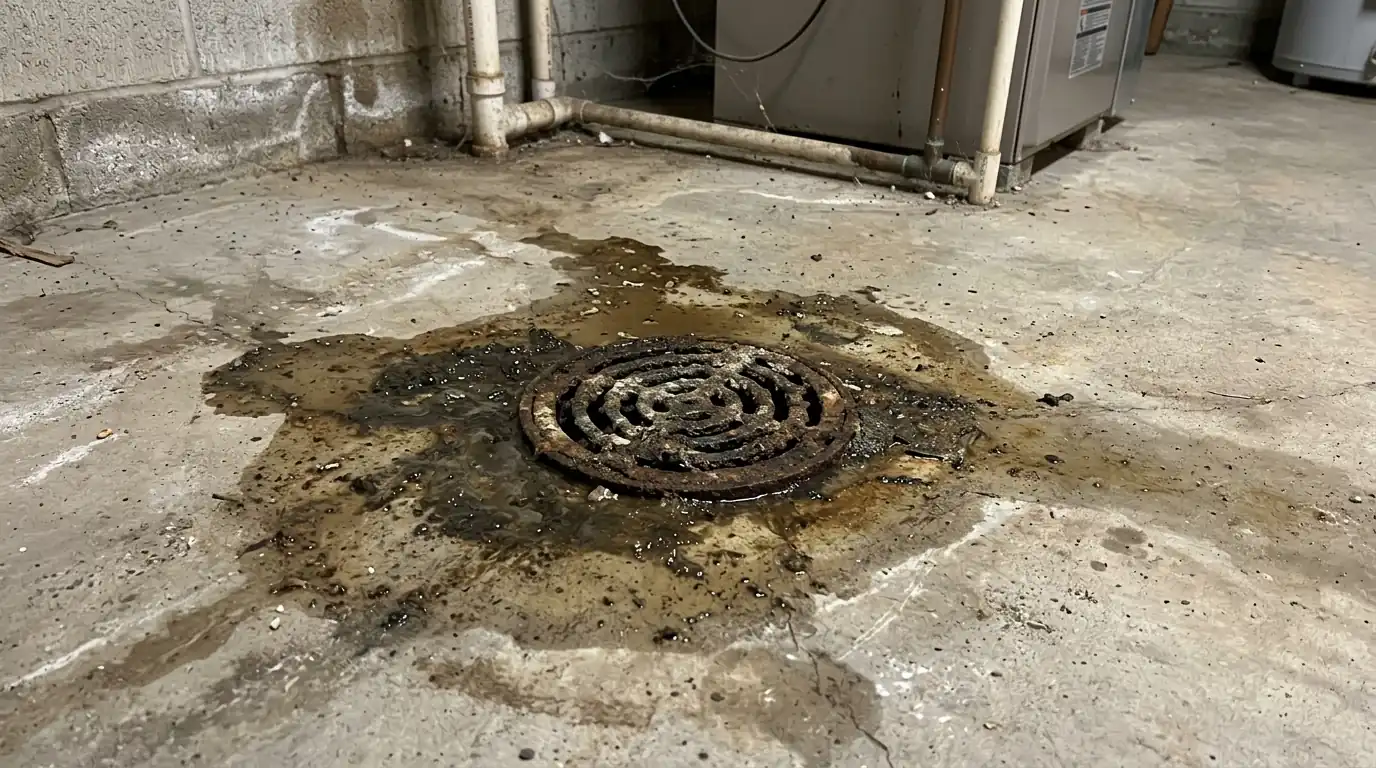
Backups usually show up at the lowest drain in the house first, often a basement floor drain, shower or toilet. A main line clog, tree roots in an older lateral, or a city main that surcharges in heavy rain can all push sewage back up.
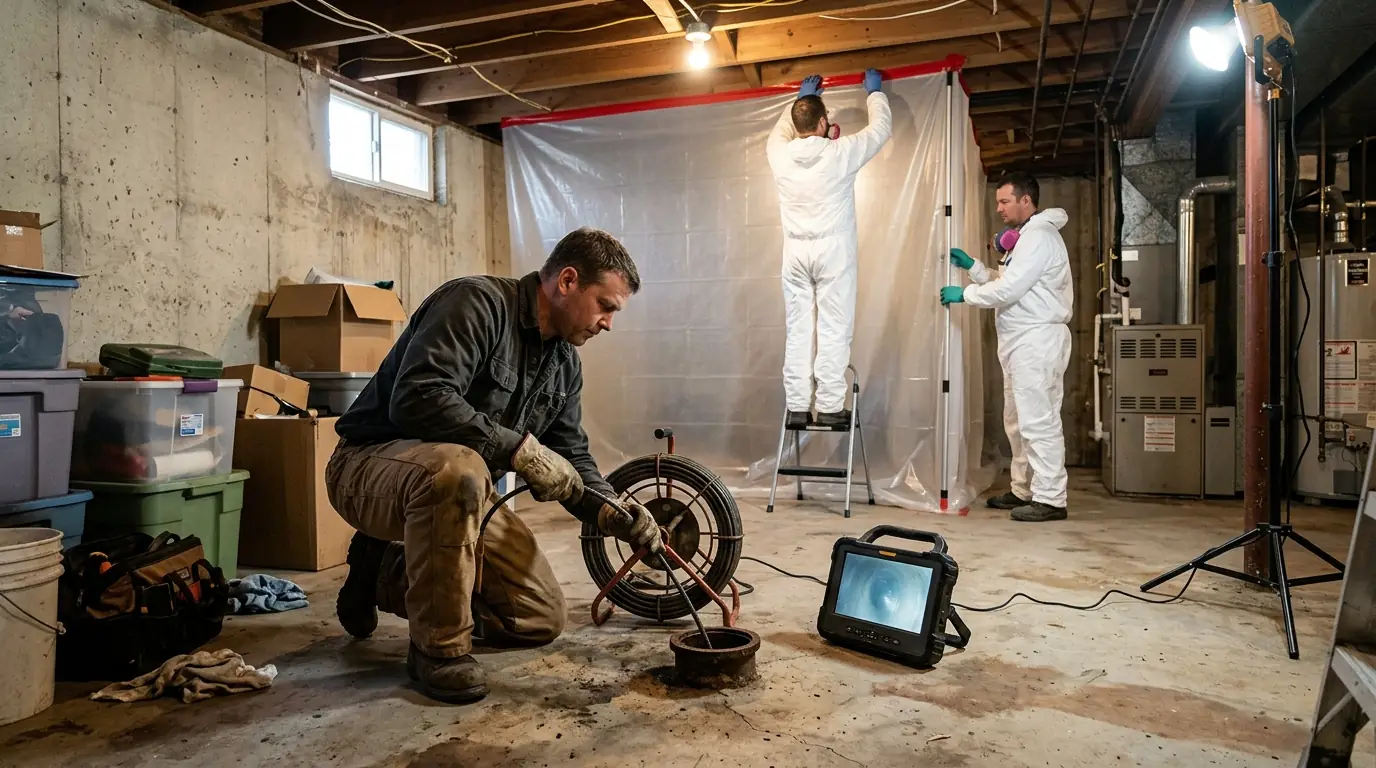
The line itself needs a plumber, sometimes with a camera, before the cleanup is finished; otherwise the next flush can undo the work. If the problem was one toilet rather than the main line, see toilet overflow cleanup.
How a sewage cleanup runs
- 1
Isolate and protect
Stop water use, contain the area and keep people out.
- 2
Remove contaminated materials
Porous materials bagged and disposed of properly.
- 3
Clean and sanitize
Hard surfaces, framing and slab cleaned and treated.
- 4
Dry and verify
Equipment runs until readings match unaffected areas.
- 5
Rebuild
Insulation, drywall and flooring replaced after the line is fixed.
Basement floor drain backups
Sewage coming up through a floor drain spreads across the lowest floor first. On bare concrete the cleanup is mostly removal, cleaning and sanitizing. In a finished basement, carpet, pad and the bottom of the drywall come out.
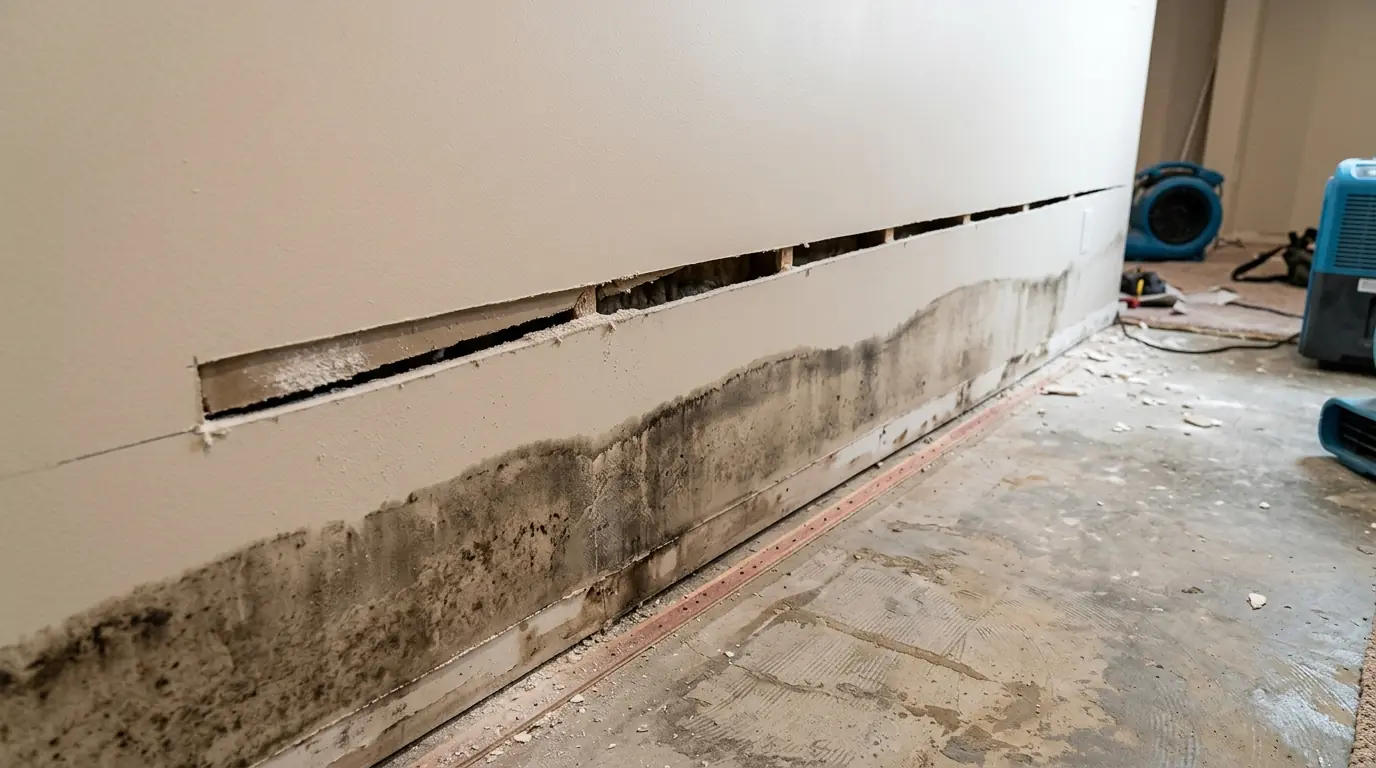
We cut drywall above the highest water mark, remove insulation behind it, and clean and treat the framing and slab before drying.
Main line backups
When every drain in the house backs up at once, or a toilet gurgles when the washer drains, the main line is blocked. Until it is cleared, any water used upstairs ends up in the basement.
Stop using water in the house and call a plumber for the line; we can start removal and containment while that happens.
Septic system backups
Homes on septic in the outer parts of the county can back up when the tank is full or the drain field is saturated, often in spring. The cleanup inside is the same black water job.
The tank and field need a septic contractor. We handle the house.
How long a sewage cleanup takes
Removal and cleaning usually take a day or two once the line is cleared, then drying runs about three to five days. Rebuild follows once the area reads dry, and the basement should stay closed off to children and pets until cleaning is finished.
Older sewer lines and coverage gaps in Spokane
Nearly a quarter of the City of Spokane's homes were built in 1939 or earlier, and houses that old commonly still have original clay or cast iron sewer laterals, which roots and age can block. That matters for the claim as well as the cleanup: standard homeowners policies often exclude sewer backup unless the policy carries a specific endorsement, so check yours before the cleanup estimate comes in.
What a sewage backup cleanup includes
- Containment to keep the rest of the house clean
- Protective equipment for every worker
- Removal of carpet, pad and porous materials
- Drywall cut above the highest water line
- Cleaning and antimicrobial treatment of framing and slab
- Proper disposal of contaminated waste
- Drying with daily readings
- Photos and records for your claim
Planning costs for sewage cleanup
Sewage cleanup costs more per square foot than clean water because more is thrown out and every step adds protection and disposal. These are published planning ranges, not a quote.
- Finished or unfinished spaceCarpet, pad and drywall in a finished basement all come out.
- Area affectedPricing scales with how far the sewage spread.
- Time before cleanupThe longer it sits, the deeper it soaks into porous materials.
- ContentsPorous belongings that touched sewage are usually discarded.
- RebuildDrywall, insulation and flooring are replaced once the area tests dry.