Quick answer
Mold remediation in Spokane Valley follows a set order: fix or stop the moisture source, set up containment with negative air pressure so spores do not spread, remove porous materials with growth such as drywall and insulation, HEPA-vacuum and clean framing and hard surfaces, then dry and verify before anything is rebuilt.
How mold remediation works
Mold grows on materials that stay damp. Remove the dampness and it stops growing; leave the dampness and it comes back, no matter how well the surface was cleaned. That is why every job starts with the water source.
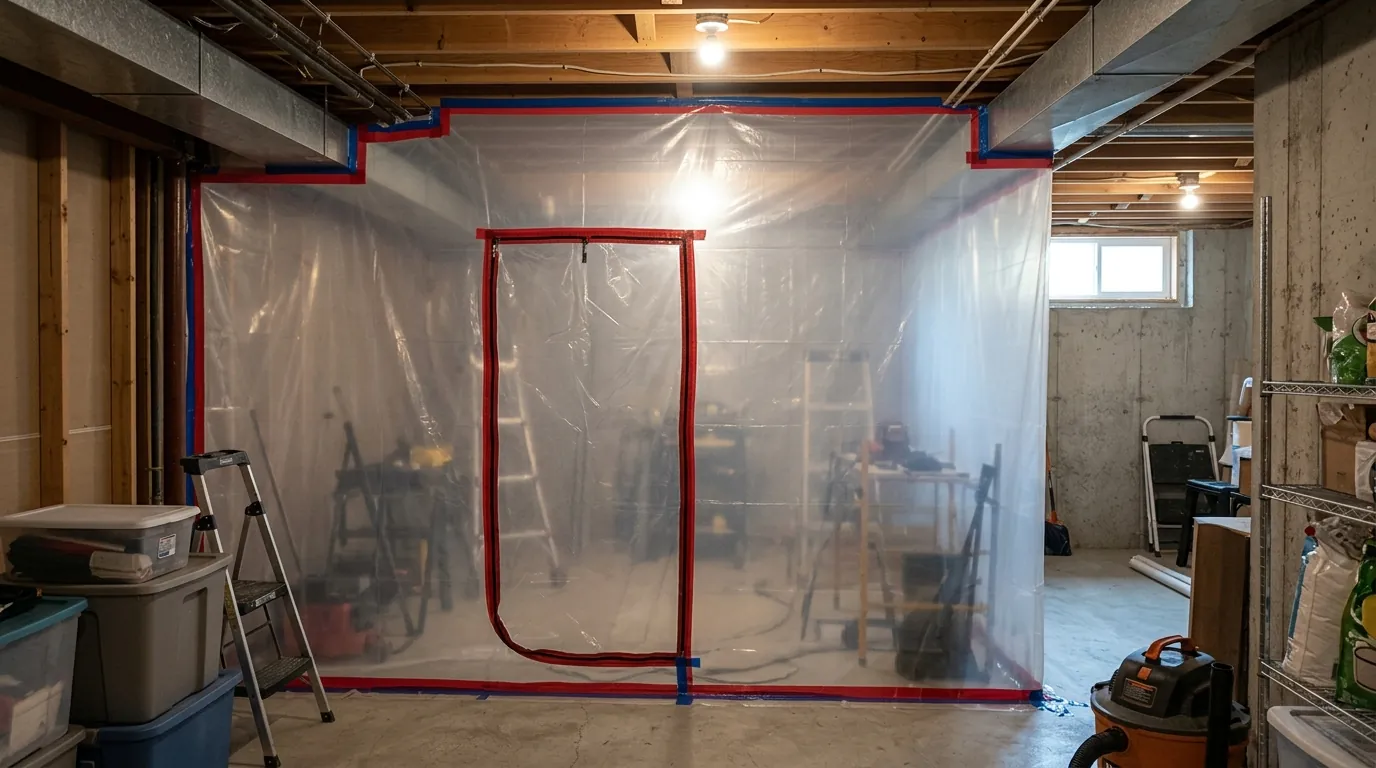
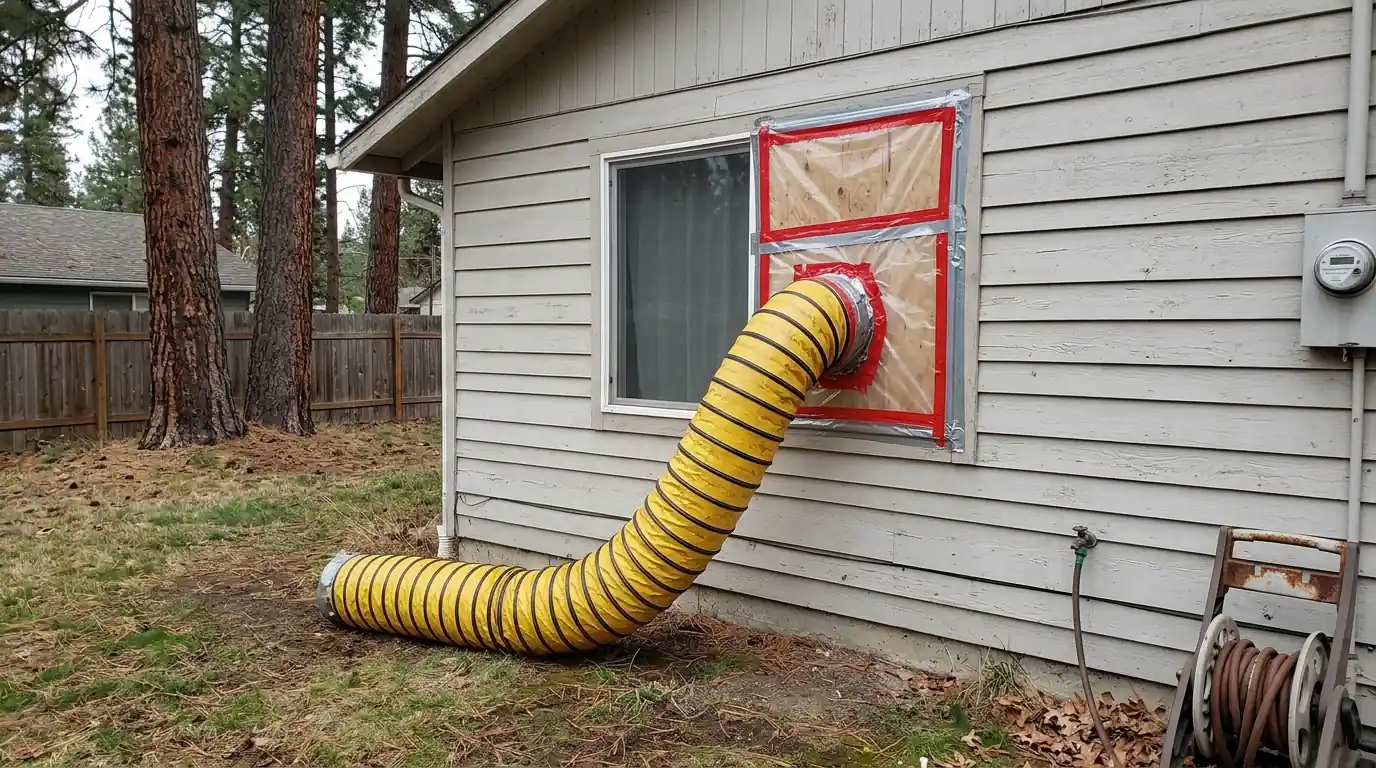
The removal itself is about control. Disturbing mold releases spores, so the work area is sealed with plastic and kept under negative pressure with filtered air exhaust. Workers wear protective equipment, and materials are bagged before they leave the containment.
If you are not sure what you are looking at, start with a mold inspection. If the growth is in an attic or crawl space, those jobs have their own pages.
Planning costs for mold remediation
Mold jobs vary with area, access and how much has to be removed. The national figures below are a planning guide.
- Area with growthA closet costs far less than a finished basement.
- Materials removedDrywall, insulation and carpet removal and disposal.
- Containment sizeLarger containments take more setup and air filtration.
- Moisture sourceFixing a leak or drainage problem may be a separate cost.
- Clearance testingIndependent air sampling is an added line.
Containment and negative air
We build a sealed work area with polyethylene sheeting and a zippered entry, then run an air scrubber that exhausts filtered air out of the space, so air flows into the containment rather than out of it.
The rest of the house stays usable while the work goes on.
Drywall and framing removal
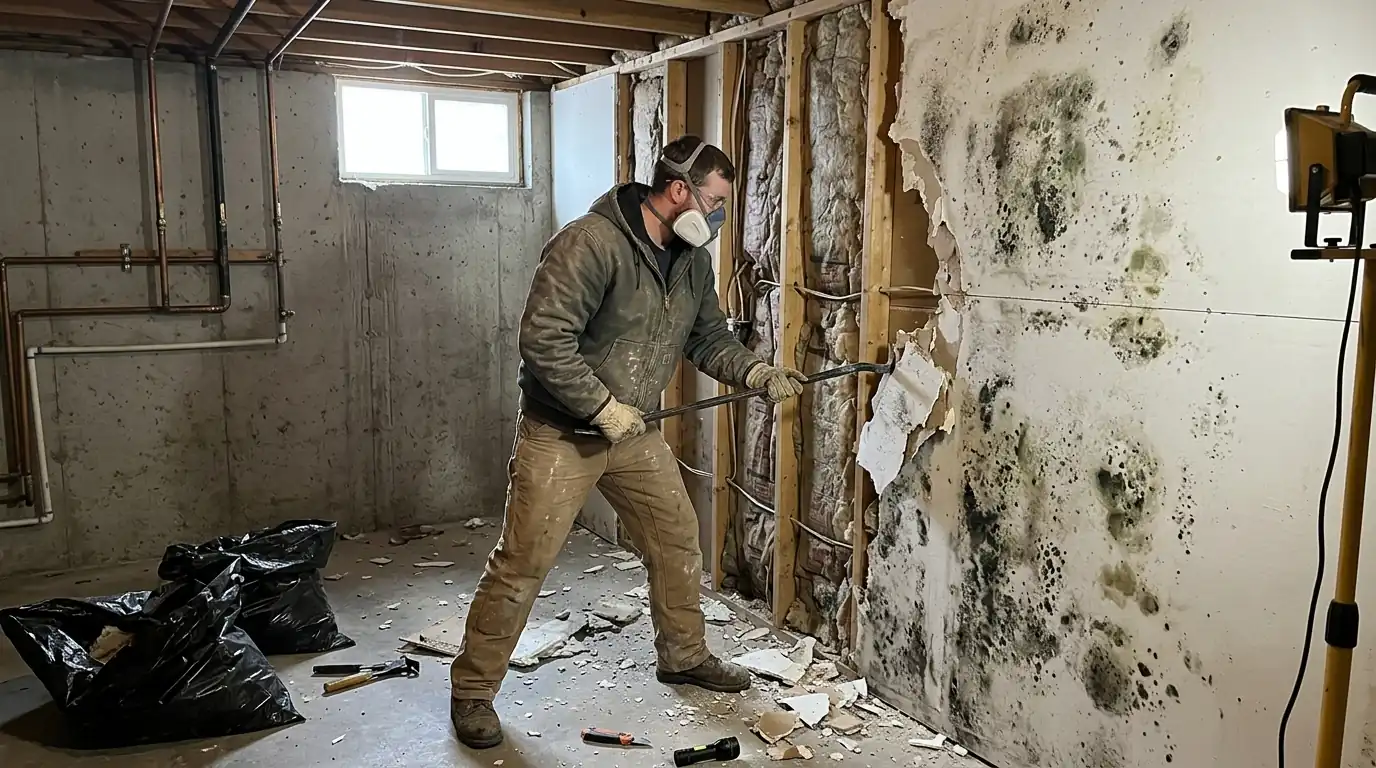
Drywall, insulation and carpet with mold growth are removed, because porous materials cannot be reliably cleaned. Cuts extend past the visible growth to make sure the edges are clean.
Framing with surface growth is cleaned, not replaced, unless the wood has rotted.
HEPA cleaning and clearance
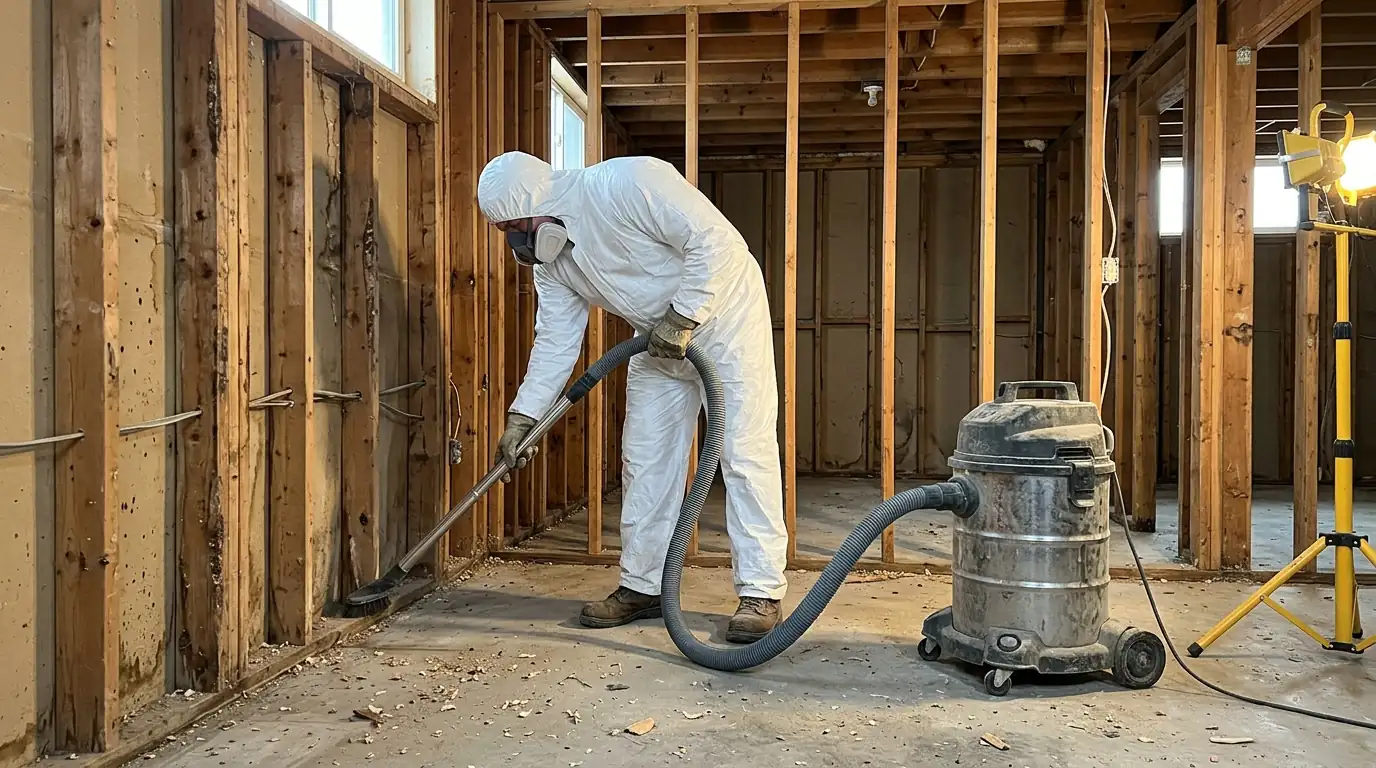
After removal, framing and surfaces inside the containment are HEPA-vacuumed, cleaned and HEPA-vacuumed again. The area is dried and read for moisture.
Clearance can include a visual check, moisture readings and, if you want it, independent air sampling before the containment comes down.
What a mold remediation job includes
- Moisture readings and photos before work
- Containment with a zippered entry
- Negative air with HEPA filtration
- Protective equipment for every worker
- Removal and bagging of affected materials
- HEPA vacuuming and cleaning
- Drying and final moisture readings
- Clearance check before rebuild
Spring water and basement mold around Spokane
In February 2017 snowmelt runoff from Little Deep Creek poured into a Colbert basement, and Spokane County reported basement and garage flooding from runoff across the area that spring. Basements that took on water like that and were only dried on the surface are where much of our mold work comes from a season later: growth on the back of drywall and in the bottom of stud bays, found when someone finally pulls a baseboard.
How a mold remediation job runs
- 1
Assess and fix the source
Readings, photos and the moisture source identified and stopped.
- 2
Contain
Plastic containment and negative air set up.
- 3
Remove
Porous materials with growth bagged and removed.
- 4
Clean
HEPA vacuuming and cleaning of framing and surfaces.
- 5
Dry and verify
Readings, visual check and optional clearance testing.
Signs of mold you may not see yet
A musty smell in one area
Odor without visible growth often means mold behind a surface.
Stains that come back after painting
Moisture is still reaching the wall.
Warped or soft drywall
Long-term dampness behind the surface.
Peeling baseboard caulk
Water at the bottom of the wall.
Condensation on cold walls
Recurring moisture that feeds growth.
Spotting in closets on outside walls
Cold, still air and moisture together.