By Bonnie Kincaid, Water Damage Guides Editor
Updated
Quick answer
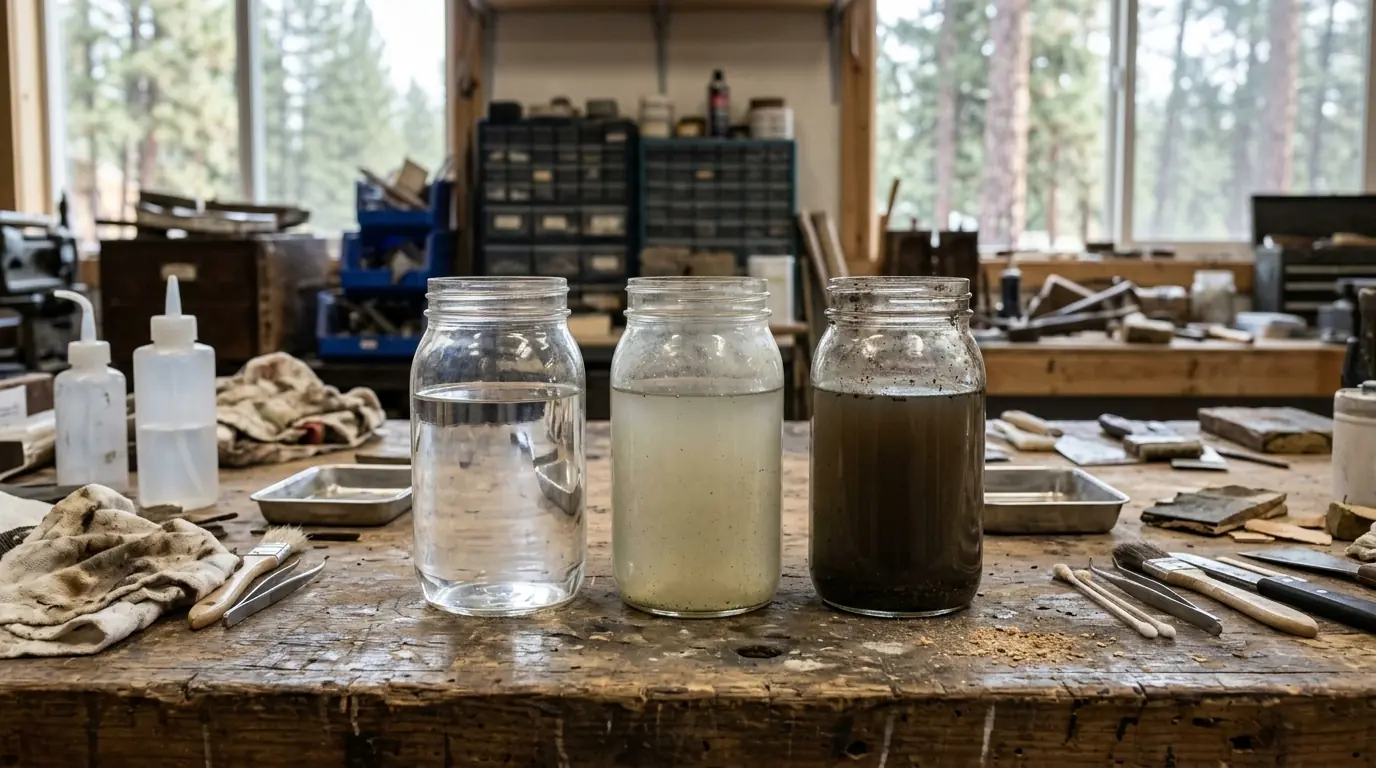
Restoration work sorts water into three categories. Clean water comes from a supply line or other sanitary source and can usually be dried in place. Gray water, such as a washer drain or clean water that sat too long, needs cleaning and often new carpet pad. Black water, from sewage or flooding, means porous materials it touched are removed rather than dried.
Three categories, one standard
The restoration industry's water damage standard, IICRC S500, groups water into Category 1, 2 and 3 by how contaminated it is likely to be. Most people know them as clean, gray and black water. The category is not about how the water looks; clear water from a flood is still Category 3, and rusty water from a supply line is still Category 1.
The category decides three things: what can be dried in place, what has to come out, and how the people doing the work protect themselves and your household.
| Category | Typical sources | What usually happens |
|---|---|---|
| Clean (Category 1) | Supply lines, water heater tanks, ice maker lines, rain through a fresh roof opening | Extract and dry in place; carpet pad often replaced because it dries slowly |
| Gray (Category 2) | Washer and dishwasher drains, toilet overflow with no feces, aquarium water, clean water that sat | Clean and treat; carpet pad replaced; carpet sometimes saved |
| Black (Category 3) | Sewer backups, toilet overflow with feces, river and surface floodwater, groundwater | Porous materials removed and discarded; hard surfaces cleaned and sanitized |
Clean water: the one you can usually save
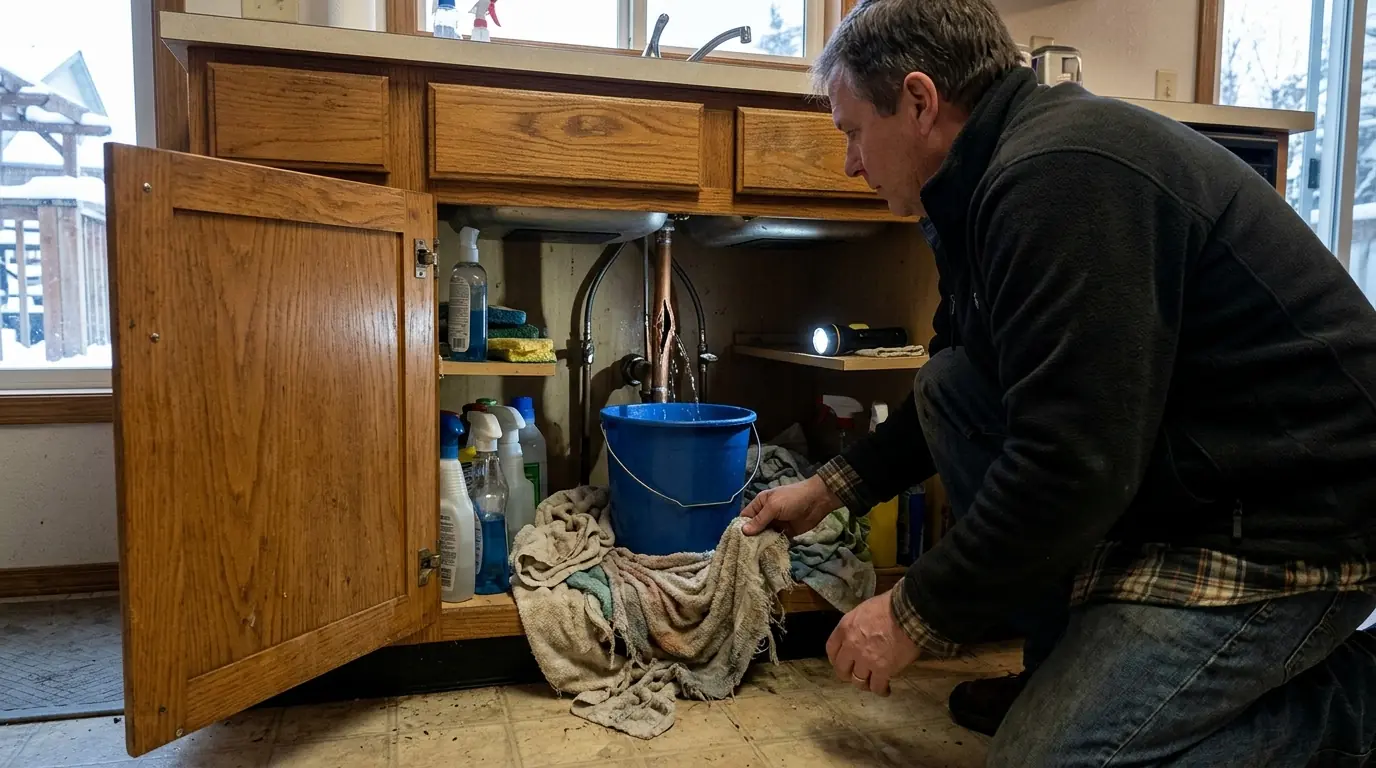
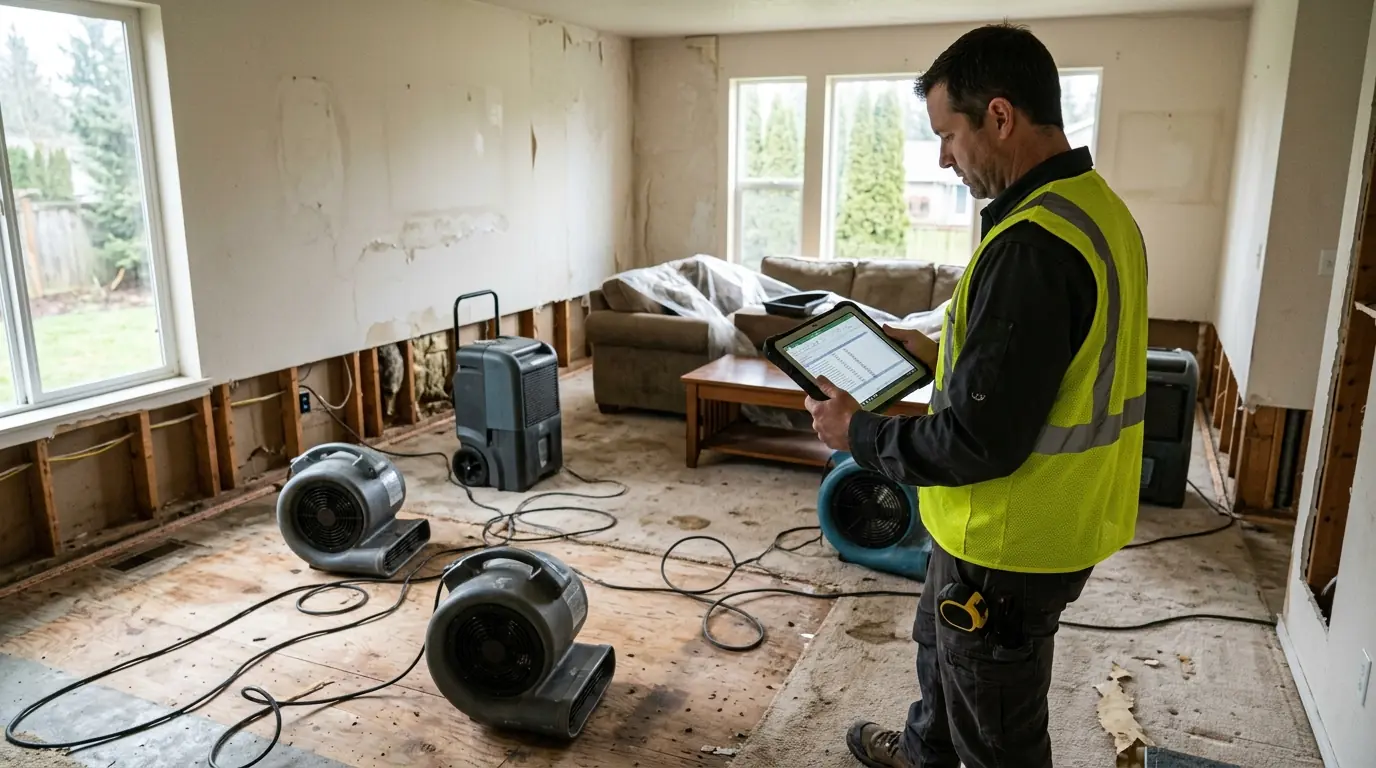
Clean water is the most common and the most forgiving. A split supply line or a failed water heater puts sanitary water on the floor, and if it is extracted quickly, carpet, drywall and wood framing can usually be dried in place. The pad under the carpet is the exception; it holds water like a sponge and is cheap to replace, so it usually comes out. Our water extraction page covers that first step.
Gray water: clean it, then dry it
Gray water carries enough contamination to make people sick if they swallow it or are exposed to it for long, but not the heavy bacterial load of sewage. Washing machine discharge, dishwasher drain water and a toilet bowl overflow without feces fall here.
A washing machine that empties onto a laundry room floor, or a dishwasher that backs up into a sink cabinet, are the gray-water calls we see most. Gray water means more cleaning and more removal than clean water. Pad is replaced, carpet is cleaned and treated or replaced depending on how long it sat, and wall cavities that took water are opened and treated before drying.
Black water: remove, sanitize, then dry
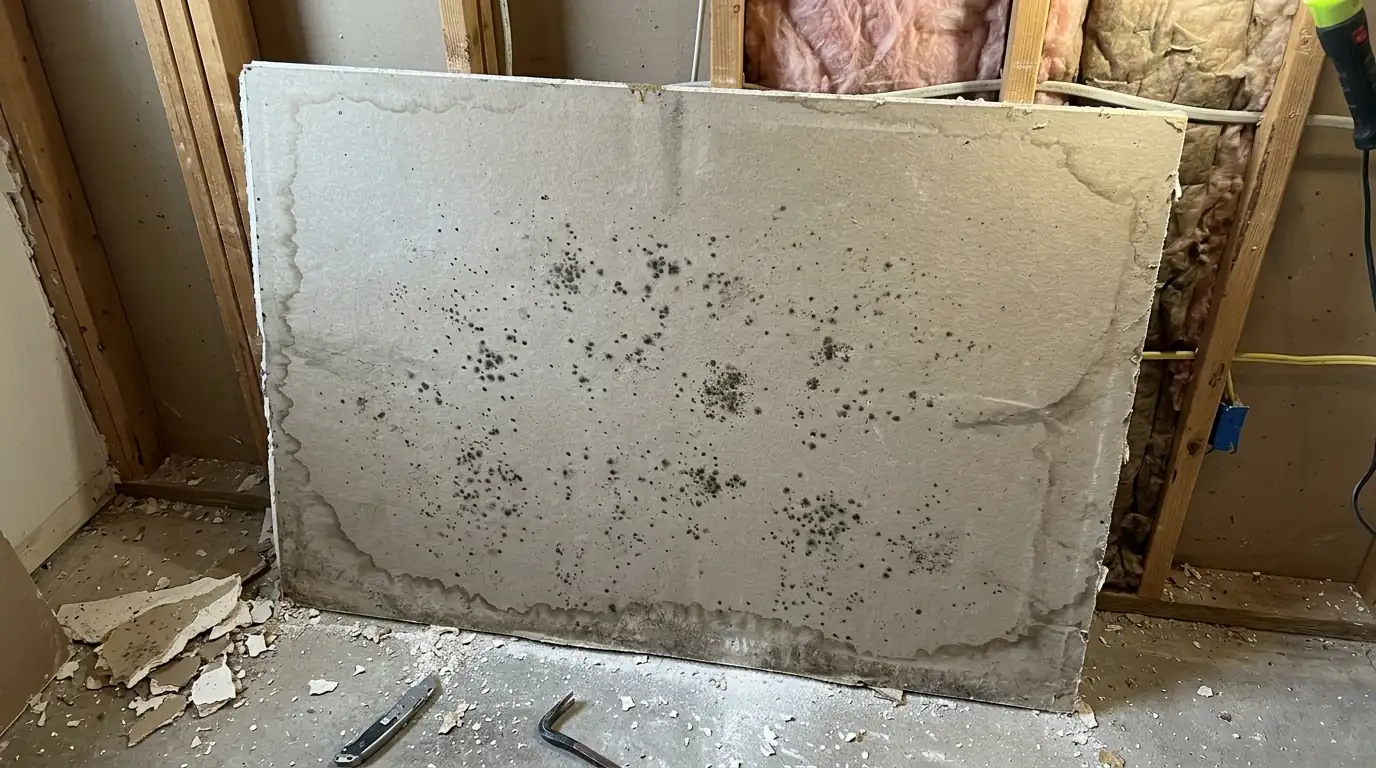
Black water carries bacteria, viruses and whatever else was in the sewer or on the ground the floodwater crossed. Carpet, pad, upholstered furniture, mattresses, drywall and insulation that touched it are removed, because they cannot be reliably sanitized. Hard surfaces, framing and concrete are cleaned and treated, then dried. See sewage backup cleanup and flood water cleanup for how those jobs run.
Why time changes the category
A category is not fixed at the moment of the leak. Clean water picks up contamination as it sits: from the carpet backing, the dust and soil in the pad, the building materials it soaks through and the warmth of the house. After a day or two, especially in a warm room, clean water is commonly treated as gray, and gray water left long enough is treated as black.
That is why the time between the leak and the extraction matters so much to the price. A supply line found in an hour is a drying job. The same line found after a long weekend away is a cleaning and removal job.
Where the water went matters too
Water also changes category by what it passes through. Clean water from an upstairs bathroom that runs through a ceiling full of old insulation and dust comes out dirtier than it went in. A clean leak that reaches a crawl space mixes with soil. A basement floor drain that backs up during a heavy rain may be groundwater, sewer water or both. When in doubt, the safe assumption is the higher category, and the crew will treat the job that way until the source is confirmed. That costs a little more in protective equipment and cleaning, but treating sewage as clean water costs far more later, in smell, mold and health complaints.
Staying safe until we arrive
Clean water mainly needs the electricity handled. Gray and black water need more care.
- Turn off power to wet rooms at the panel, from a dry spot
- Keep children, pets and anyone with a weak immune system away from gray or black water
- Wear rubber boots and gloves if you have to walk through it, and wash well afterward
- Do not use household fans on gray or black water; they spread what is in it
- Throw out food, medicine and cosmetics that touched contaminated water
What to tell us on the phone
A few details let us plan the right crew and equipment before we arrive.
- Where the water came from, if you know: pipe, appliance, toilet, drain, roof or outside
- When it started, or when you found it
- Which rooms and floors it reached, and what flooring is down
- Whether anything smells like sewage
- Whether anyone in the house is very young, elderly or has a health condition