By Bonnie Kincaid, Water Damage Guides Editor
Updated
Quick answer
Standard homeowners policies usually cover water damage that is sudden and accidental, such as a burst pipe or a failed water heater, and usually exclude long-term leaks, groundwater, surface flooding and sewer backups unless you carry flood coverage or a backup endorsement. In Washington, insurers must acknowledge a claim within 10 working days and accept or deny it within 15 working days of a completed proof of loss.
The short version
Insurance companies sort water damage by cause and by speed. Water that arrives suddenly from inside the house, like a pipe that splits or a supply line that bursts, is the classic covered loss. Water that leaked slowly for months, or that came from the ground or from outside, is where most denials come from.
This is a general guide, not legal or insurance advice. Your policy wording decides your claim, and policies differ, so read the declarations page and the water sections of yours, and ask your agent where anything is unclear.
What standard policies usually cover
These are the losses a standard homeowners policy commonly covers, subject to your deductible and policy limits.
- A pipe that bursts, including one that froze, as long as reasonable care was taken to keep the house heated
- A water heater, washing machine hose or supply line that suddenly fails
- An appliance or fixture that suddenly overflows
- Water that comes through a roof opened by wind, a falling tree or hail
- Water used to put out a fire, and the damage it does
What they usually exclude
These are the common exclusions. Some can be added back with an endorsement or a separate policy.
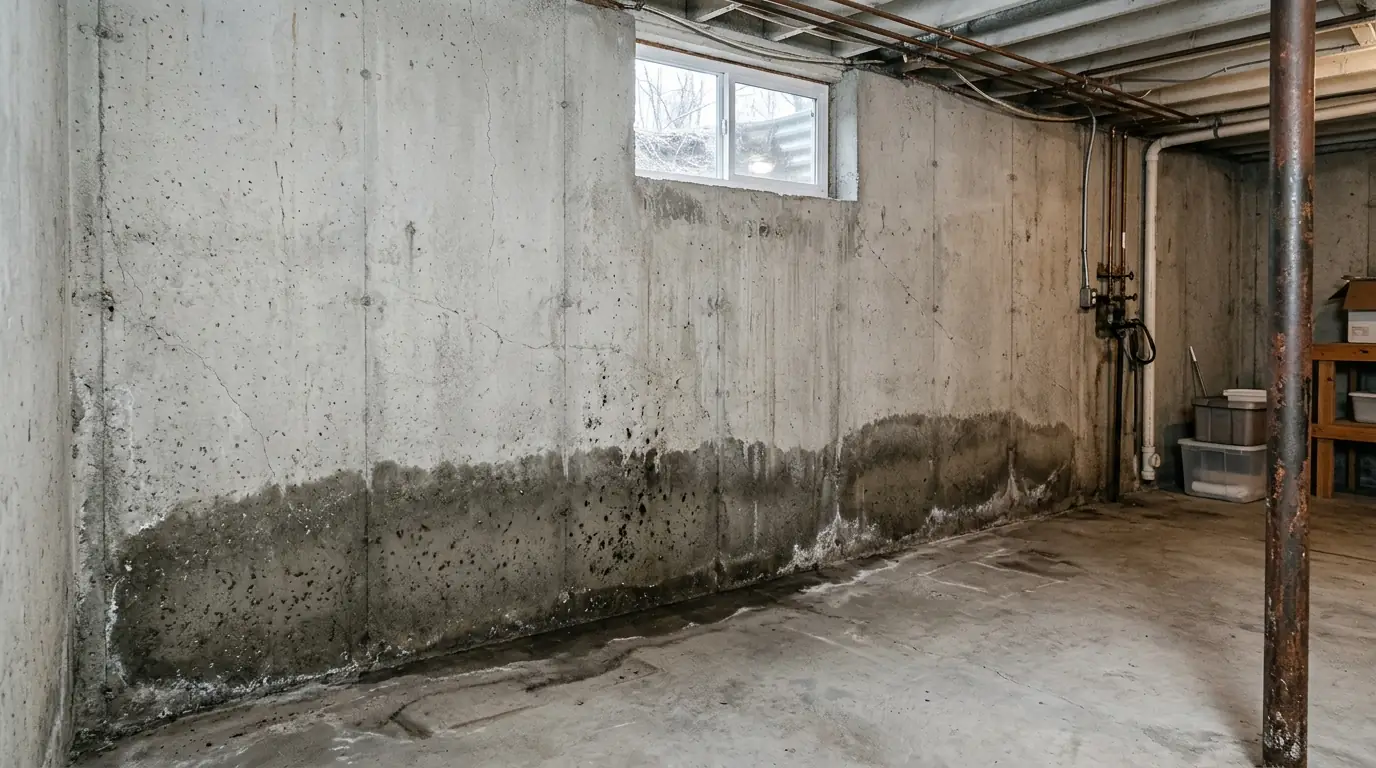
- Groundwater seepage and surface flooding, which are generally a flood insurance matter
- Sewer and drain backups, unless the policy carries a water backup endorsement
- Sump pump overflow, often covered only with that same endorsement
- Damage from a slow leak that went on for weeks or months, treated as wear or maintenance
- Mold from long-term moisture, or mold beyond a set limit even when the water was covered
Our guide to spring basement seepage explains why groundwater claims are so often denied, and what helps keep the water out instead.
Washington's claim timelines
Washington's claim-handling rules set deadlines insurers must meet. An insurer must acknowledge your claim within 10 working days and reply within 10 working days to your communications that reasonably call for a response (WAC 284-30-360). Once it has a fully completed proof of loss, it must tell you within 15 working days whether the claim is accepted or denied, and a denial must be in writing and point to the specific policy provision it relies on (WAC 284-30-380). The insurer must also give you the forms and instructions you need to file.
These rules are updated from time to time, so check the Office of the Insurance Commissioner's website for the current version. If your home is in Kootenai County, Idaho's rules apply instead, through the Idaho Department of Insurance.
How to document a claim
Good documentation is the single biggest thing you control. Our insurance claim help page covers what we provide; this is what to do yourself.
- 1
Photograph before anything moves
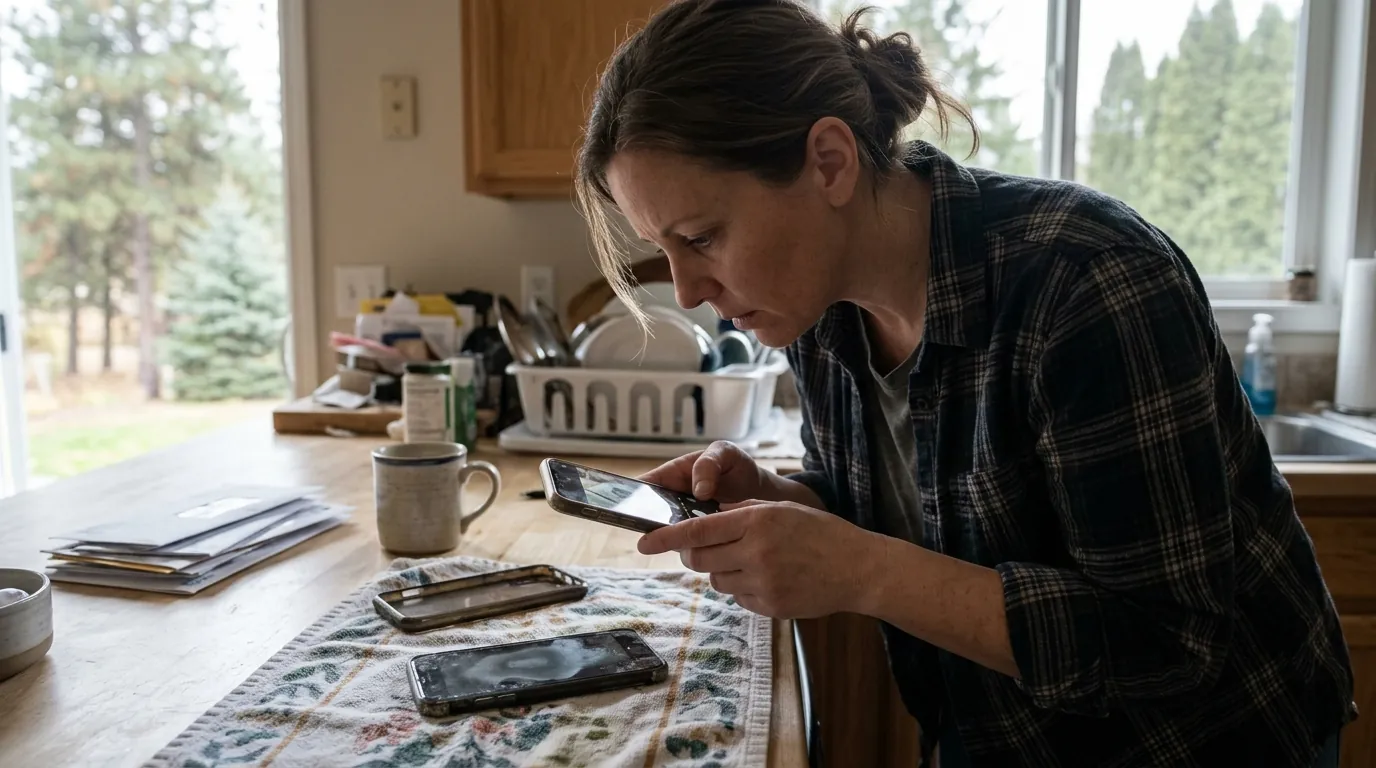
Wide shots of each room, close shots of the source, the water line on walls and damaged belongings.
- 2
Call your insurer early
Report the loss promptly, write down the claim number and the adjuster's name and contact.
- 3
Prevent further damage
Policies expect you to stop the water and start drying; keep every receipt for that work.
- 4
List what was damaged
Room by room, with rough ages and what you paid, and photos of serial labels on appliances and electronics.
- 5
Keep the paper trail
Drying logs, moisture readings, invoices and every message with the insurer, in one folder.
Your duty to prevent more damage
Almost every policy says you must take reasonable steps to protect the property after a loss. In practice that means stopping the water, getting it extracted and getting drying started, not waiting for an adjuster to visit first. Emergency mitigation of that kind is normally part of the claim. Throwing out damaged materials is different: photograph them first, and ask the adjuster whether they want samples kept, such as a piece of carpet or the failed hose.
If you cannot stay in the house
Most homeowners policies include loss-of-use coverage, sometimes called additional living expenses. If a covered loss makes the house unlivable, for example a sewage backup in the only bathroom or a kitchen torn out for drying, it can pay the reasonable extra cost of staying somewhere else and eating out while repairs are done. It is not automatic: ask your adjuster before you book anything, keep every receipt and note which costs are above what you would normally spend.
Working with the adjuster
The adjuster writes a scope of the damage, usually as line items. Read it against your photos and the restoration company's moisture map. If something is missing, such as a wall cavity that was opened or a cabinet run that swelled, ask for it to be added; a supplement is a normal part of many claims once the drying shows what was really wet.
If you disagree with a decision, ask for the reason in writing with the policy provision it relies on. Many policies also include an appraisal process for disputes over the amount of a loss, and Washington's insurance commissioner runs a consumer advocacy service for policyholders with questions or complaints.