By Bonnie Kincaid, Water Damage Guides Editor
Updated
Quick answer
Typical residential drying in the Spokane area runs about three to five days once standing water is extracted, followed by one to two weeks of repairs. Carpet and drywall usually dry within that window; hardwood, plaster, concrete slabs and crawl spaces can take longer. A room is dry when moisture readings on its materials match the same materials in an unaffected part of the house.
The short answer
Once standing water is out and the wet materials that cannot be dried have been removed, most homes reach dry in about three to five days. Repairs, from drywall to flooring and paint, usually take another one to two weeks, depending mostly on materials and scheduling.
The range is wide because houses are different. A clean supply line leak on carpet over a plywood subfloor in a warm house dries fast. The same water on hardwood over an older plank subfloor, or soaking into a concrete basement slab in March, takes longer.
What dry actually means
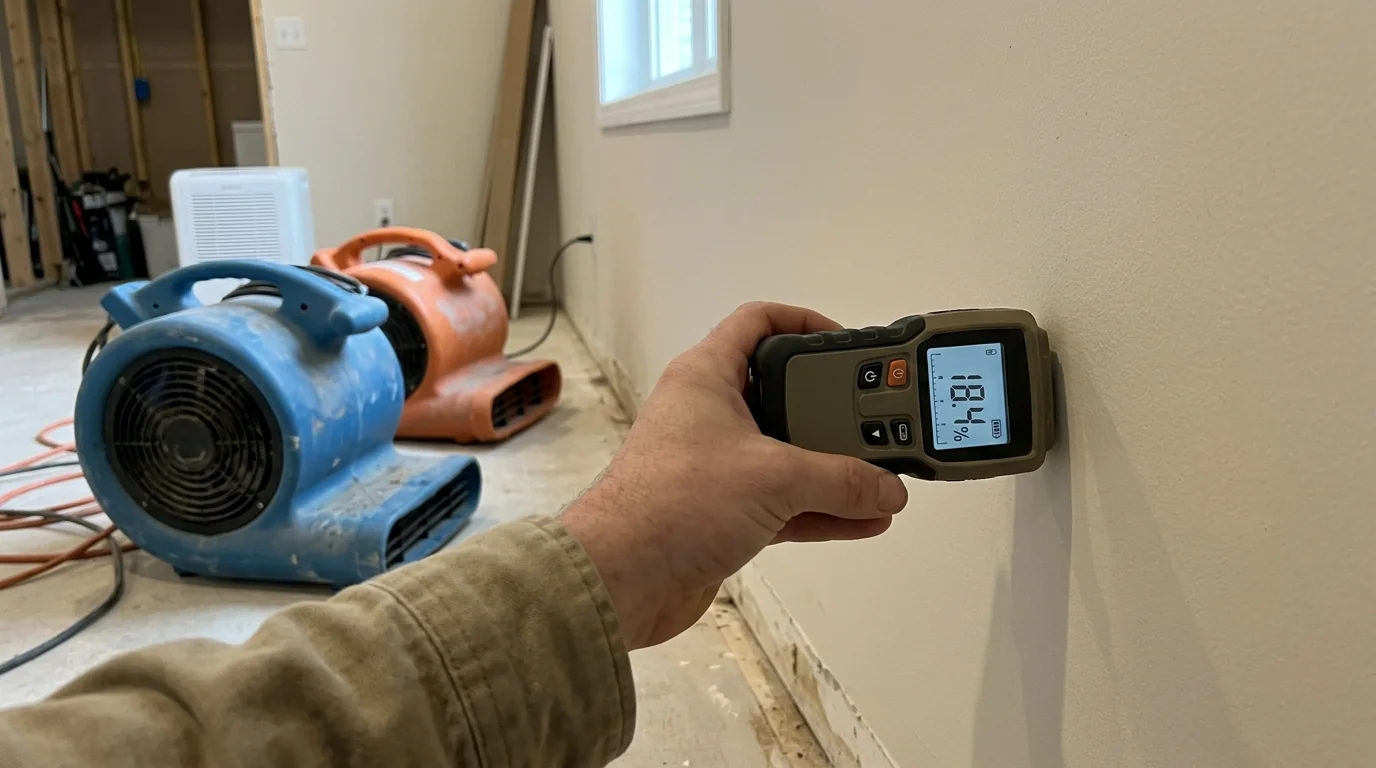
Dry does not mean dry to the touch. Surfaces dry first; the wood framing, the subfloor and the back of the drywall hold water long after the paint feels normal. Restoration crews measure dry with moisture meters, and they compare each wet material with the same material somewhere the water never reached. That unaffected reading is called the dry standard, and the job is done when the wet areas match it.
Readings are taken at the same points every day and written in a drying log. The log shows you, and your insurer, how each area is progressing. Our structural drying page explains the equipment side.
Typical drying time by material
These are the ranges we plan around for clean-water jobs once extraction and removal are done. Your readings may say otherwise, and contaminated water adds removal and cleaning time.
| Material | Typical drying time | What affects it |
|---|---|---|
| Carpet and plywood subfloor | About 3 to 5 days | Pad removed, air moved under the carpet, room temperature |
| Drywall and wall cavities | About 2 to 5 days | Whether the cavity is opened, insulation removed, paint type |
| Hardwood flooring | About 1 to 3 weeks | Solid or engineered, how long it sat, drying from below |
| Concrete slab | About 1 to 2 weeks | Slab thickness, groundwater, flooring left on top |
| Plaster on lath | Longer than drywall | Thickness, number of coats, access to the back side |
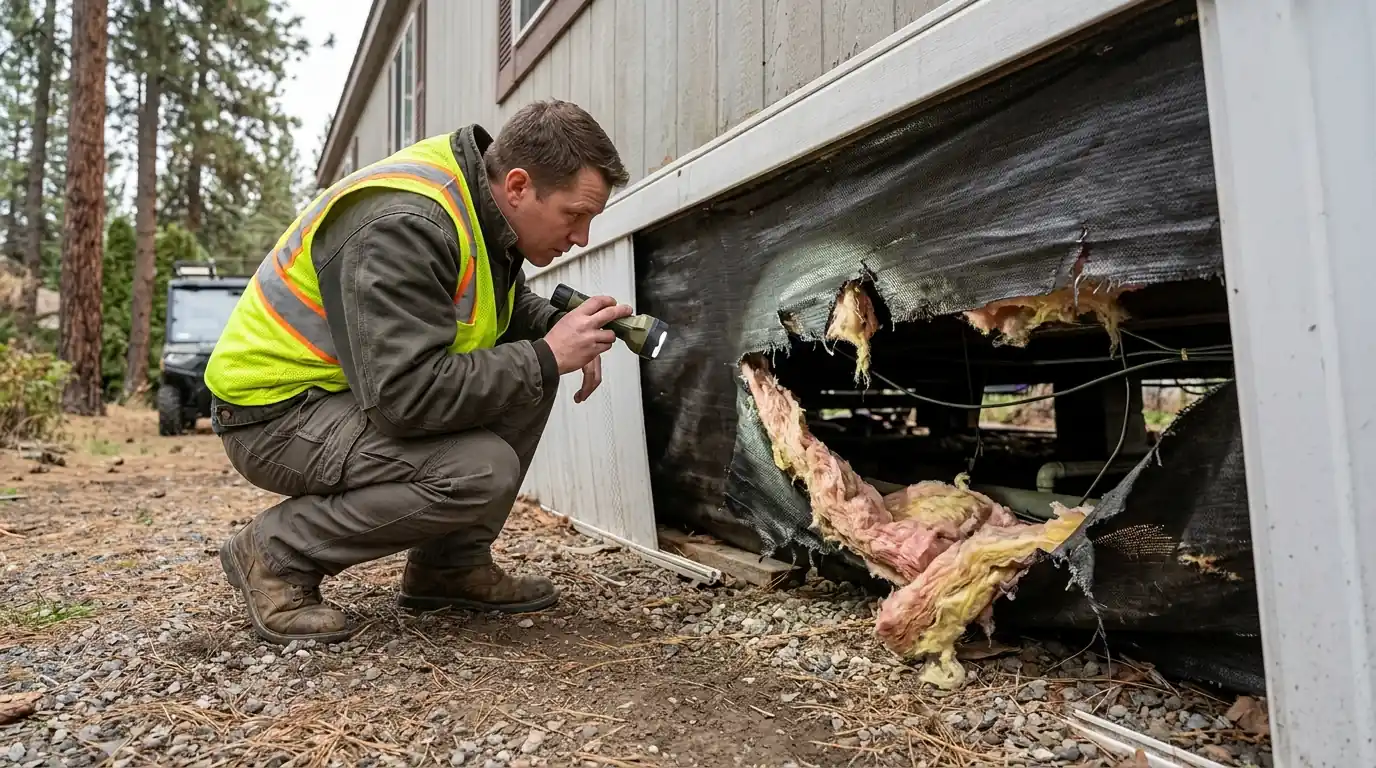
| Crawl space framing | About 3 to 7 days | Standing water removed, vapor barrier, outside weather |
What speeds drying up
The fastest jobs share the same first-day decisions.
- Extracting as much water as possible as a liquid, before relying on evaporation
- Removing carpet pad, wet insulation and swollen baseboard early
- Opening or venting wall cavities that read wet behind sound drywall
- Running enough dehumidifier capacity for the size and wetness of the space
- Keeping the house heated, and doors and windows set the way the crew leaves them
What slows it down
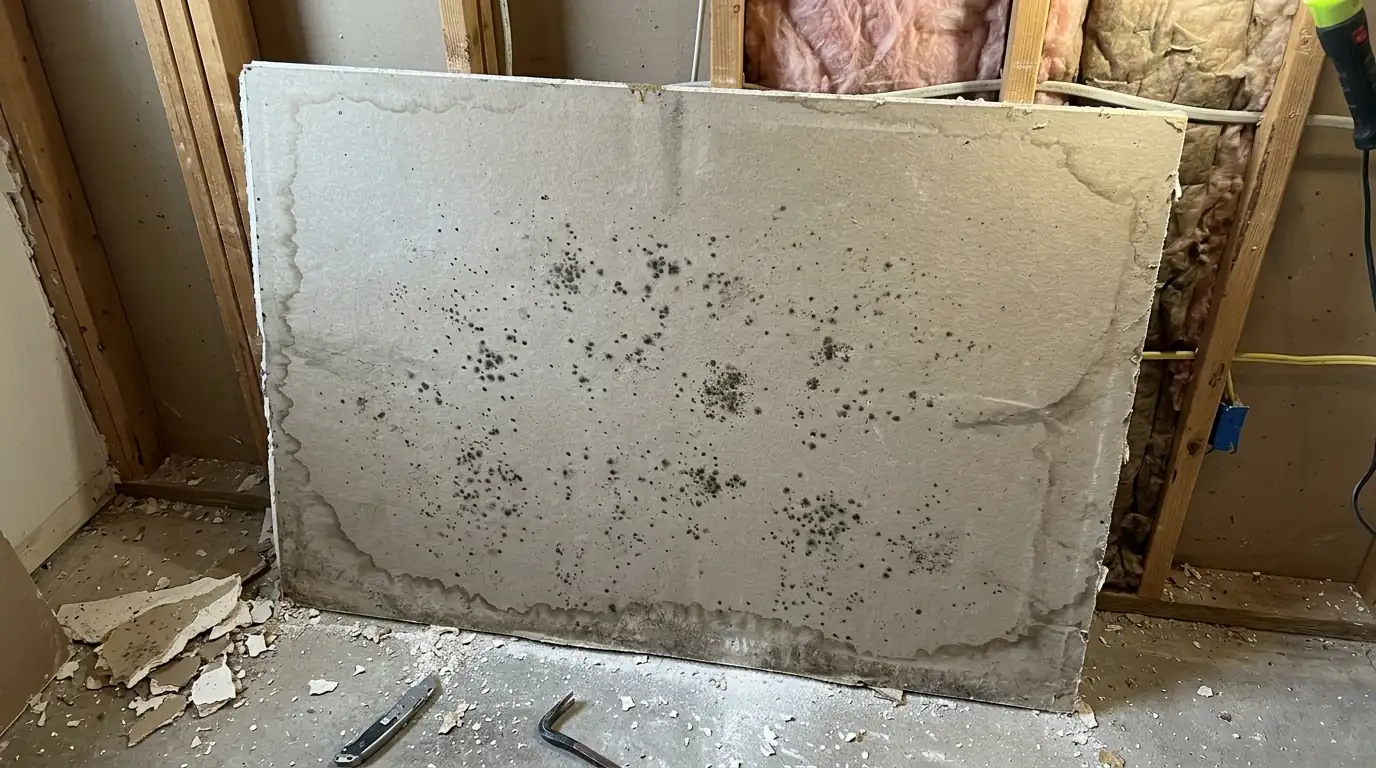
Some materials and layouts simply take longer. Plaster walls, layered flooring such as vinyl laid over old wood, long runs of cabinets, and concrete all hold water stubbornly. Hidden pockets slow things too: a wet joist bay above a finished ceiling, or the space under a bathtub. In spring, a basement slab that is also taking groundwater from below may not dry at all until the seepage stops; our seepage guide covers that.
Turning equipment off at night or opening windows on a humid day also slows drying, because the dehumidifiers then spend their time pulling outdoor moisture out of the air.
Why winter and spring jobs dry differently
Season changes drying more than most people expect. In winter the outdoor air is cold and dry, the furnace is running and dehumidifiers work efficiently, so a clean-water job inside a heated house often dries quickly once it is set up. The catch is the parts of the house that are not heated: crawl spaces, garages, exterior walls and attics dry slowly in the cold.
Spring is the opposite. Outdoor air is damper, basements may be taking groundwater from below, and a slab that is wet from both sides can take weeks. On spring basement jobs the first question is whether the water is still coming in, because drying cannot finish until it stops.
Living with the equipment
Most families stay home during drying. Air movers are loud and dehumidifiers put out warm air, so expect the house to be noisier and a little warmer than usual. Keep cords and hoses where the crew placed them, keep pets away from the equipment, and do not move units to another room; they were placed from the moisture map, and moving one can leave a wet area behind.
Equipment draws power around the clock, so your electric bill will rise for the days it runs. The amount depends on how many units run and for how long.
How you will know it is done
On the last day, the crew takes final readings at every point in the log and compares them with the dry standard. When they match, equipment comes out and repairs can start. If you want an independent check before walls are closed, a moisture inspection gives you a second set of readings and a written map.